

Cape D’Aguilar, also known as Hok Tsui, is located on the southeastern tip of Hong Kong Island. Named after the first Lieutenant Governor of Hong Kong, Major-General George Charles D’ Aguilar, the cape is known for its Instagrammable cave, lighthouse, and whale skeleton. Yes, you read that right: whale skeleton. If you are looking for an easy trail with stunning views, this one is for you!
Cape D’Aguilar Trail Summary

Cape D’Aguilar is one of the easiest trails to hike in Hong Kong. It covers a distance of around 8 kilometers and has no summit, so you don’t need to worry about steep inclines or stairs. The path is level and straightforward, making it ideal for families with kids looking for a weekend day trip. However, due to its secluded location, only some public transportation goes there.
If you’re taking the bus, you’ll need to get off at Cape D’Aguilar Road, and the hike will begin from there. It takes roughly 40 minutes to get from the Cape D’Aguilar Bus Stop to the Marine Reserve. Depending on how much time you want to spend on each point of interest, you can expect to explore the area in around two to three hours.
If you enjoy this route and want more beginner-friendly options, check out my round-up of easy hikes in Hong Kong.
Important Things to Note Before You Go
- The Cape D’Aguilar trail is fairly easy, but make sure to put on appropriate footwear because the path leading to the cave can be slippery.
- There are no public restrooms in the vicinity, so it is recommended to utilize the facilities at Shau Kei Wan Station before boarding the bus.
- It can get quite windy around the cape, so ensure that you take care of your belongings, including your cap, to prevent them from being blown away.
- As there is little to no shade, do not forget to bring sunscreen.
- Always prioritize safety over capturing Instagram-worthy photos.
Best Time To Visit Cape D’Aguilar
The best time to visit Cape D’Aguilar is from October to June, as during this time the weather is pleasant and not too hot. It is better to avoid hiking during the summer season due to the scorching heat and lack of shade in the area, even though the hike is relatively easy. It is important to note that the location of Cape D’Aguilar experiences strong waves and wind, which can be dangerous, especially during the typhoon season.
Getting Here
If you are familiar with Dragon’s Back, the direction to Cape D’Aguilar is the same; the only difference is that you get off at a different bus stop.

To get to Cape D’Aguilar:
- Take the Island Line to Shau Kei Wan station.
- Go to Shau Kei Wan bus terminus (Exit A3), then take Bus #9
- Get off at Cape D’Aguilar Road stop
It’s important to note that the bus doesn’t always detour to Cape D’Aguilar Road on Sundays and Public Holidays. If you’re unsure, ask the driver before boarding.
The hiking trail
Once you get off at the bus stop, the hike is fairly easy, with mostly flat and paved roads. However, vehicles are constantly passing through, so always be aware of your surroundings. You’ll walk for around 5 kilometers until you reach the Marine Reserve. Along the way, don’t forget to check out the views of Stanley and Tai Tam.

Apart from the breathtaking panoramic view of the coastline, there are three points of interest in the area: the Marine Reserve, the lighthouse, and the Crab Cave.

Although the place has attracted a lot of visitors, it lacks signs and clear directions. For instance, the radio station is a restricted area, and visitors are prohibited from entering. Once you reach the Cape D’Aguilar radio station, take the lawn to the other side of the radio station.

Keep walking until you reach a junction where the left path leads to the lighthouse and the right path leads to the Marine Reserve.
Marine Reserve
On the way to the Marine Reserve, you will see a hidden path to Thunder Cave. When the wave splashes against the cave, it makes a sound similar to thunder, hence the name. Be cautious when entering the cave; the cave is dark, and the rocks can be slippery.

After taking a few pictures at the Thunder Cave, go back to the main path and continue walking until you reach the research facility of the University of Hong Kong Swire Institute of Marine Science.
The Marine Reserve was set up for marine resource conservation purposes. It covers 20 hectares mainly between Kau Pei Chau and the rocky coastline. To protect the marine life in the area, water activities such as swimming, diving, and fishing are prohibited.

Just beside the institute, you’ll see the iconic whale skeleton. The skeleton belongs to a whale that was found in Victoria Harbour back in 1955. However, due to long exposure to harsh weather, the researchers have decided to retire the skeleton and replace it with a 3D-printed replica instead. To learn more about the whale skeleton, you can read about it here.
Crab Cave

The Crab Cave is located in front of the institute. Contrary to its name, there are no crabs in the cave. It got its name because the formation of the cave looks a bit like a crab. This is a famous spot for Instagrammers; hence, arrive early in the morning or go on a weekday to avoid the crowd if you want to take a better picture of the cave.
Cape D’Aguilar Lighthouse
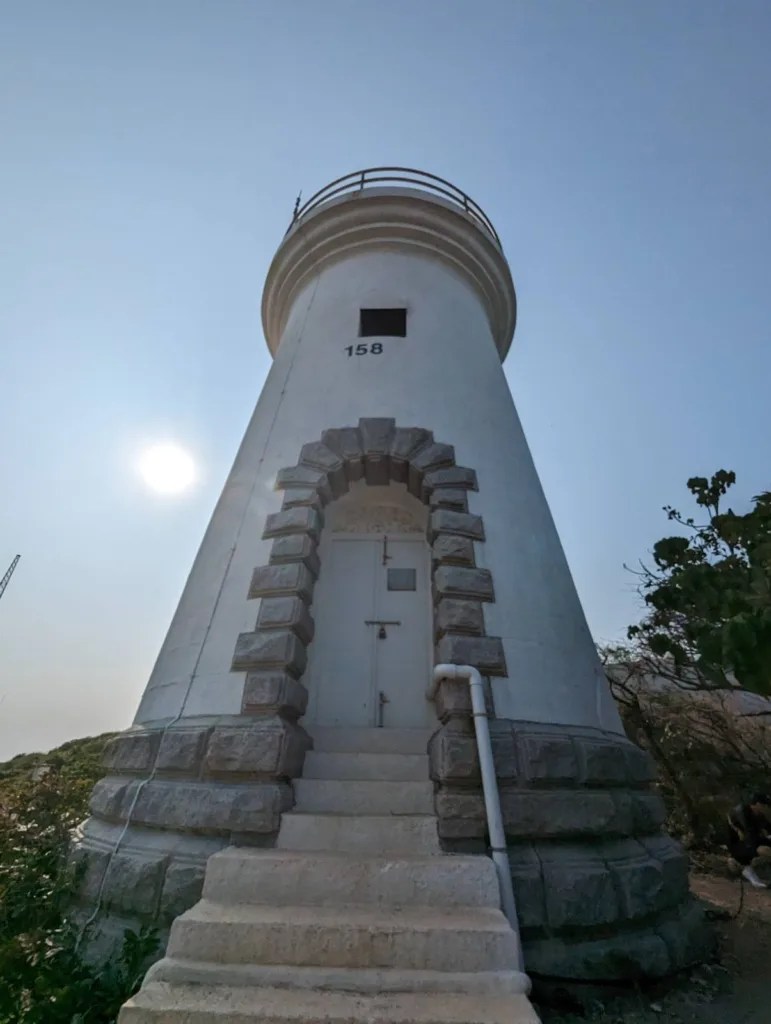
After visiting the Marine Reserve, retrace your steps back to the junction and take the left path to check out the lighthouse. The 9.7-meter-tall lighthouse is the oldest surviving lighthouse and one of the five pre-war lighthouses in Hong Kong. The lighthouse, also known as Hok Tsui Beacon, is one of the monuments in Hong Kong.
Going Back
To end your hike, you just have to trace your way back to the Cape D’Aguilar bus stop. You can take Bus #9 or the minibus that goes to Shau Kei Wan MTR station.
Other Hiking Trails
Here are some other hiking trails in Hong Kong that you might find interesting:
- A popular hiking trail just two bus stops away from Cape’ D Aguilar – Dragon’s Back
- Scenic Hike with a view of Ocean Park – Brick Hill
- Eastern District Nature Trail – Tai Tam Reservoir
- Looking for a Challenging Hike? – Violet Hill and Twins Peak


