

Tucked perfectly into the heart of Asia, Hong Kong is a city of mind-blowing contrasts. Whether you’re chasing world-class gourmet street food, capturing the iconic glittering skyline, or escaping onto lush, unexpected easy hiking trails, this vibrant destination truly has it all.
Planning your first trip here can feel a bit overwhelming, but don’t worry, I’ve got you covered! From navigating public transit like a local to discovering hidden gems and mapping out the perfect 5-day itinerary, here is your ultimate, hassle-free guide to experiencing the absolute best of Hong Kong.
*Disclosure: This post may contain affiliate links. This means that if you click on the link and purchase an item, I may earn a small commission at no additional cost to you.
When is the Best Time to Visit Hong Kong?

Looking for the perfect time to plan your Hong Kong itinerary? While this vibrant city is a fantastic year-round destination, the weather can play a huge role in your travel experience.
Hong Kong experiences four distinct seasons:
- Spring (March to May): Warm with a bit of humidity.
- Summer (June to August): Hot, humid, and rainy—perfect for indoor malls and water worlds.
- Autumn (September to November): Hands down the best season to visit Hong Kong! You’ll enjoy beautifully cool breezes and stable, sunny skies.
- Winter (December to February): Cool and comfortable, making it another highly popular choice for travelers.
Tip: Because of major holidays like Christmas and Chinese New Year, winter is the peak tourist season in Hong Kong. If you plan to visit during these months, keep in mind that hotel rates tend to spike and iconic attractions will be much more crowded. Booking well in advance is highly recommended!
You can check out the 9-day weather forecast from the Hong Kong Observatory.
Stay Connected: Why You Need a Hong Kong eSIM
While you can find free public Wi-Fi in major shopping malls and MTR stations across the city, relying on it can be a bit of a hassle when you’re navigating on the go. To keep things seamless, I highly recommend grabbing an eSIM card before you land so you can stay connected with loved ones and access maps instantly.
My absolute go-to is the Airalo eSIM. I started using it during my travels to avoid those dreaded, massive international roaming charges, and it has been a total game-changer. One of my favorite perks? Because it’s completely digital, you don’t have to fiddle around with tiny plastic pieces or worry about losing your original SIM card.
Use my code “OIKWAN1737” to get $3 off your first eSIM purchase!
How to Get From Hong Kong Airport (HKG) to the City Center
Once you land at Hong Kong International Airport, getting to the city center is incredibly straightforward. You have three main transportation options depending on your budget, group size, and timeline: the Airport Express, public buses, or a local taxi.
Here is a quick breakdown to help you choose the best ride for your trip:
| Transportation Option | Average Travel Time | Cost Level | Best For |
| Airport Express Train | ~24 minutes | $$$ | Speed, solo travelers, & couples |
| Public Airport Bus | 60–90 minutes | $ | Budget-conscious travelers |
| Taxi / Ride-Share | 30–45 minutes | $$ – $$$ | Families, groups, & heavy luggage |
The Airport Express (Fastest & Most Convenient)
If you want to skip the traffic and get to the city center in record time, the Airport Express train is hands down your best bet. It whisks you from the airport directly to Kowloon Station or Hong Kong Station in under 30 minutes.
The Ultimate Perk: Taking the train grants you access to Hong Kong’s famous in-town check-in service at Hong Kong and Kowloon stations. This means you can drop your bags off at the station on your departure day and explore the city hands-free until your flight!
Pro Tip: You can score a great discount by purchasing your Airport Express tickets in advance on Klook to skip the ticket counter queues.


Public Airport Buses (Best for Budget Travelers)
Taking a public bus (like the popular A11 or A21 routes) is the most economical way to reach major hotel districts like Tsim Sha Tsui, Central, or Causeway Bay. While it takes a bit longer (around 1 to 1.5 hours depending on traffic), it’s a fantastic, scenic option if you aren’t in a rush and want to save some cash.
Urban Taxis (Best for Families & Groups)
Traveling with a family, a small group, or just carrying a ton of heavy luggage? Hopping into a taxi right outside the arrivals hall is incredibly convenient. While it costs more than the bus, it takes you directly to your hotel lobby without needing to navigate any transit transfers.
Getting Around the City
Navigating Hong Kong is an absolute breeze thanks to its world-class, highly efficient public transit network. From MTR trains to historic double-decker trams, here is everything you need to know to travel like a local.
The Essential First Step: Get an Octopus Card
Before you do anything else, make sure to get an Octopus Card. This contactless smart card is your golden ticket to the city. Not only does it simplify paying for all public transportation, but you can also use it to buy snacks, drinks, and merchandise at convenience stores, vending machines, and supermarkets. Some cha chaan teng only accept cash and Octopus cards.
While most transport networks (like the MTR, buses, and trams) now accept contactless credit cards, using an Octopus Card is still the most seamless option—and it often secures you slightly cheaper fares!
MTR
The MTR is the backbone of Hong Kong’s transit system. With over 10 interconnected subway lines spanning Hong Kong Island, Kowloon, and the New Territories, it is easily the fastest way to hop between major sightseeing spots.
How to Pay: Tap your Octopus Card or a contactless credit card at the gates. You can also buy single-journey tickets at station kiosks, but using a card is cheaper and saves time.
Public Buses
Buses are a fantastic option for reaching areas not covered by the MTR, or simply for enjoying a scenic view of the city.
How to Ride: The fare depends on the distance of the route. Simply tap your Octopus Card or credit card (or pay exact cash—no change is given) when you board.
Missing Your Stop? Don’t worry! Bus stops are clearly announced in English, Cantonese, and Mandarin. When your stop is next, just press one of the red “Stop” buttons on the handrails. You do not need to tap your card again when exiting.
Green & Red Minibuses (Public Light Buses)
Minibuses are smaller vans that seat 16 to 19 passengers (no standing allowed). They service tighter routes and hidden neighborhoods that larger buses can’t reach.
The Catch: Taking a minibus can be a bit intimidating for first-timers because they rarely announce upcoming stops. Passengers usually have to call out to the driver in Cantonese to let them know where to stop. If you’re a tourist, sticking to the MTR or standard buses is generally much easier!
Taxis
Taxis are plentiful, metered, and very affordable compared to other major global cities. They can comfortably seat 4 to 5 passengers (check the sticker near the license plate for the exact capacity).
Hong Kong taxis are color-coded by the region they serve:
- Red Taxis: Urban areas (covers almost all tourist hotspots across Hong Kong Island and Kowloon).
- Green Taxis: New Territories only.
- Blue Taxis: Lantau Island only.
Note: Fares are metered, but expect small extra charges for luggage placed in the trunk, tunnel toll fees, or pets.
Hong Kong Trams (The Historic “Ding Ding”)
Found exclusively on Hong Kong Island, these iconic double-decker vintage trams—affectionately called “Ding Dings” by locals—are the oldest and cheapest way to travel. Running on 6 routes between Kennedy Town and Shau Kei Wan, they are perfect for a slow, nostalgic cruise through bustling districts like Central, Wan Chai, and Causeway Bay.
How to board the tram:
- Board from the back door and exit from the front door.
- Pay only when you exit at the front.
- Trams use a flat-rate system, meaning it costs the exact same pocket-change fare no matter how far you ride!
- There is no “stop” button—the tram stops at every single station along its tracks automatically.
Ferries (Star Ferry & Outlying Islands)

You cannot leave Hong Kong without taking a ride on the historic Star Ferry. Crossing Victoria Harbour between Kowloon (Tsim Sha Tsui) and Hong Kong Island (Central or Wan Chai) offers world-class, panoramic views of the skyline for mere pennies.
Island Hopping: If you want to escape the city center for a day trip, head over to the Central Ferry Piers. From there, you can catch direct ferries to beautiful outlying islands like Cheung Chau, Lamma Island, and Mui Wo.
Where to Stay in Hong Kong
Choosing the right base camp can make or break your trip! Because the majority of Hong Kong’s iconic attractions are clustered around Victoria Harbour, the most convenient areas to stay are either Hong Kong Island or Kowloon. Staying in these central hubs cuts down your transit time, giving you way more hours for shopping, eating, and sightseeing.
To help you decide, here is a quick breakdown of the most popular neighborhoods based on your travel vibe:
Hong Kong Island (Best for Nightlife, Culture, & Trendy Cafes)
If you want to be right in the middle of the action, a bustling business district, and colonial history, cross the harbor over to the island.
- Causeway Bay: A neon-lit paradise for shopaholics. You’ll find everything here from massive luxury malls like Sogo and Times Square to bustling street markets.
- Central: The heart of the city. Perfect if you want luxury hotels, fine dining, and easy access to the nightlife at Lan Kwai Fong and the Peak Tram.
- Sheung Wan: A trendy neighborhood seamlessly blending traditional hip spaces with cool cafes, street art, and the famous Man Mo Temple. Great for a more local, artistic vibe.
Kowloon (Best for Street Food, Markets, & Iconic Views)
For a slightly more energetic, traditional, and bustling atmosphere, look no further than Kowloon.
- Tsim Sha Tsui (TST): Located right on the waterfront, this area offers the absolute best views of the glittering Hong Kong skyline. It’s packed with museums, hotels, and the famous Avenue of the Stars.
- Mong Kok: One of the most densely populated places on earth! Go here if you want high-energy street shopping (like the Ladies Market and Sneakers Street), local electronics, and incredible street food stall culture.
Quick Trip Planning Tip: Before hitting “book” on your hotel, take a quick look at your custom itinerary. Picking a neighborhood that sits right on the MTR line closest to the bulk of your planned activities will save you tons of energy!
Restaurants
You can’t truly experience Hong Kong without diving headfirst into its world-famous culinary scene. Whether you’re chasing Michelin-starred dim sum, rich roast goose, or quick street-side snacks, the local flavors here are unforgettable.
Ready to feast? Below are my top recommendations for where to eat in Hong Kong. These local gems will give you a taste of traditional culinary culture and delicious, authentic Chinese cuisine without breaking the bank.
Luk On Kui (Previously Lin Heung Kui)
Most of the restaurants now give you a menu and deliver the dim sum to your table. If you want to experience the traditional way of ordering dim sum, you should add this to your itinerary. Dining in Luk On Kui, you’ll have to get your dim sum from the pushcart ladies. Just bring your bill and order your dim sum, and the ladies will mark it on your bill. It may be chaotic sometimes when a lot of people are ordering at the same time. Dining in a tea house during peak hours, the staff may assign you to share a table with strangers – this is a Hong Kong food culture.
Address: 2-3/F, 40-50 Des Voeux Road West, Sheung Wan
Opening Hours: 06:00 – 22:00
Tim Ho Wan
It is an affordable Michelin-star Dimsum specialist restaurant. It is famous for its baked bun with BBQ pork. They have branches in different districts in Hong Kong; you can check if there are branches near you using the OpenRice app.
This is their location in Central.
Address: Shop 12A, L1/F, Hong Kong MTR Station, Central
Opening Hours: 09:00 – 21:00
Kam’s Roast Goose
A Michelin-star restaurant that offers roast goose, roast pork, soya chicken, and char siu.
Address: G/F, Po Wah Commercial Center, 226 Hennessy Road, Wan Chai
Opening Hours: 11:30 – 21:30
Lan Fong Yuen
Experience the local-style tea house in Central that is famous for its milk tea. The place can be very crowded during peak hours, and you may be asked to share a table with strangers.
Address: G/F, 2 Gage Street, Central
Opening Hours: Monday to Saturday 07:30 – 18:00
Kau Kee Restaurant

It is famous for its beef brisket noodles. Be prepared for the long queue outside the restaurant. If possible, try to visit during non-peak hours. If the line is too long, you can check out other restaurants on Gough Street.
Address: G/F, 21 Gough Street, Central
Opening Hours: Monday to Saturday 12:30 – 22:30
Yee Shun Milk Company
If you are looking for a traditional dessert place after your meal, you can check out Yee Shun Milk Company. It is known for its milk-based pudding.
Address: G/F, 506 Lockhart Road, Causeway Bay
Opening Hours: 12:00 – 23:00
Auntie Sweet Dessert
This is another dessert place that offers signature Chinese-style desserts such as sesame soup, mango sago, grass jelly, and snow domes.
Address: G/F, 11 Yiu Wa Street, Causeway Bay
Opening Hours: 14:00 – 23:30
Mammy Pancakes
Grab an order of freshly made egg waffles. The egg waffles are one of the famous street foods in Hong Kong. Mammy pancakes offer a variety of new flavours. There are several branches in different districts in Hong Kong; this is the address in Causeway Bay. You can check if there are other branches near you using the OpenRice app.
Address: Shop 17, G/F, Leishun Court, 1-5 Haven Street, Causeway Bay
Opening Hours: 12:00 – 20:30
Top Things to Do & Hidden Gems in Hong Kong
While sorting out your flights and Octopus cards is essential, the real fun begins when deciding what to see. Most tourists stick strictly to Tsim Sha Tsui, Central, and The Peak. However, if you want to experience the true essence of Hong Kong, you need to mix iconic sights with its incredible nature and neighborhood secrets.
Here are the best experiences in Hong Kong, organized by vibe, featuring deep-dive guides to help you plan each day.
Neighborhood Culture, Temples & Urban Exploring
If you want to experience Hong Kong’s vibrant street life, spiritual heritage, and history on foot, start with these urban highlights:
Man Mo Temple & Central History
Tucked amidst the skyscrapers of Sheung Wan, this mid-19th-century temple is famous for its heavy hanging incense coils and dramatic shafts of sunlight. Dedicated to the gods of Literature (Man) and War (Mo), it’s a must-visit for history lovers. You can easily see it by following my step-by-step Sheung Wan & Central Walking Guide.
Wong Tai Sin Temple
If you want to experience a bustling, deeply traditional spiritual site, head over to Kowloon to visit this massive complex. Famous for “making every wish come true,” it is renowned for kau cim (fortune-telling via shaking bamboo sticks). The vibrant red pillars, grand gold roofs, and beautiful Good Wish Garden make it incredibly photogenic. Here is a list of Hong Kong Temples that you don’t want to miss.
The Hollywood Road Cat Hunt
Want a whimsical, creative contrast to the traditional temples? Keep your eyes peeled for the adorable street art scattered through Sheung Wan, just steps away from Man Mo Temple. Use my guide to finding the Hollywood Road Cat Sculptures so you don’t miss a single one.
The Classic Skyline Stroll
You can’t visit the city without catching the harbor views. For the best vantage points, check out my complete walkthrough of the Victoria Harbour Walk to see where to catch the best photo spots and avoid the crowds.


Victoria Peak
It is Hong Kong Island’s tallest hill and is one of the top tourist attractions. It offers a breathtaking view of Victoria Harbour. Aside from the view, you can also visit other attractions, including the Madame Tussauds Wax Museum, Monopoly Dreams, the 3D museum, etc. I spent half a day at the peak last year; you can read about my half-day itinerary here.

Avenue of the Stars
Renovated and reopened in 2019, Avenue of the Stars is located along the Victoria Harbour in Tsim Sha Tsui. It is a perfect spot to watch the Symphony of Lights and take pictures of the night skyline of Hong Kong. You’ll also find several handprints of celebrities along the way, similar to Hollywood’s Walk of Fame. Aside from handprints, there are also statues of celebrities such as Martial artist Bruce Lee, singer Anita Mui, and cartoon character McDull.

Family Outings, Theme Parks & Unique Stays
If you are traveling with kids or just looking for a fun, adventurous getaway, Hong Kong boasts world-class theme parks, massive water adventures, and surprising outdoor staycations.
Lantau Island Glamping Adventure

Want an unforgettable family getaway that gets you completely out of the city? Head to the quiet beaches of Lantau Island for a unique luxury glamping experience. It is the perfect way to spend a night barbecuing under the stars, listening to the ocean, and letting the kids connect with nature. Read my complete Lantau Island Glamping Guide for details on the tents, amenities, and how to book.
Hong Kong Disneyland

Perfect for families, couples, and Disney nostalgia. It’s home to the world’s first World of Frozen and incredible castle views. To make the most of your time and see if staying on-site is worth it, read my full Hong Kong Disneyland Staycation & Anniversary Guide and tips before booking your tickets.
Ocean Park Hong Kong
A legendary homegrown theme park located on the south side of Hong Kong Island. It perfectly blends thrilling roller coasters perched right on the cliffsides with brilliant marine life exhibits and a chance to see giant pandas up close.


Ocean Park is situated in the southern part of Hong Kong. It is accessible by bus and MTR. Because of its location, Ocean Park offers an amazing view of southern Hong Kong. You can easily spend the whole day here, whether you came here for the thrilling rides or to visit the adorable Pandas and interact with animals. There is plenty of fun for everyone of all ages. Besides the main theme park, if you visit Hong Kong during the summer, you can visit the Water World Ocean Park too.
Some tips and pointers when visiting the park:
- Expect to walk a lot when you visit the park, if you are traveling with older family members, Ocean Park offers wheelchair rentals (additional fees apply).
- Restaurants in the theme park offer Halal food and vegetarian foods.
- Take the cable car to the summit and take the train back to the waterfront. The waiting time for cable cars can take up to 1 hour (or more) during peak hours.
- If you plan to visit the Tuxedo restaurant, call and make a reservation first. In addition to the cute animal-shaped food, you also have a great spot to watch the penguins while dining in the restaurant.
- To get closer to the animals, check the feeding schedules.
Ocean Park Water World

Located right next door to the main theme park, this water park boasts spectacular attractions across five zones—including massive wave pools and exhilarating drop slides—it is the absolute best way to cool down during a hot Hong Kong summer. Check out my full Ocean Park Water World Guide for essential tips on tickets, locker rentals, and what to wear.
Which theme park to visit?
Still can’t decide which park to visit? Check out my detailed breakdown of Hong Kong Disneyland vs. Ocean Park to find the perfect fit for your trip!
Outdoor Adventures & Traditional Villages
Over 70% of Hong Kong is green space and wilderness. If you want to escape the concrete jungle and see a completely different side of local life, add these to your itinerary:
Ngong Ping 360
Ngong Ping 360 is the cable car system that connects Tung Chung and Ngong Ping. It has 3 kinds of cable cars – standard, crystal, and crystal+. It is a good idea to purchase the Ngong Ping 360 tickets online to skip the queue. I bought my tickets from Klook and redeemed them at the Klook-designated counter. The queue is shorter, and it is fast and convenient.


When the cable car is approaching Ngong Ping Village, you’ll get a glimpse of the bronze Buddha sitting on top of the mountain. The Tian Tan Buddha (Big Buddha) is the iconic attraction in Lantau island, it takes around a 10-minute walk from Ngong Ping Village.


Right behind the Big Buddha, is the Wisdom path. These wooden columns are arranged in the figure of eight, which symbolizes infinity. The words inscribed on the wooden columns are calligraphy of the verse of the Heart Sutra.
Other things to do in the village include visiting the Po Lin Monastery, experiencing the Walking with Buddha – a short presentation on the life of Buddha, shopping at local souvenir shops, treating yourself to some local delicacies, and lastly, taking pictures in front of art murals in the village.

Tai O Fishing Village
Located on Lantau Island, this historic village features traditional stilt houses, local street snacks, and boat rides where you might even spot rare pink dolphins. Read my step-by-step Tai O Fishing Village Day Trip Guide to learn exactly how to get there via bus.
Shing Mun Reservoir

If you love hiking and nature photography, this spot is famous for its beautiful paperbark trees, peaceful water reflections, and wild macaques. Check out my Shing Mun Reservoir Hiking Guide for trail maps and safety tips regarding the local wildlife.
Cheung Chau Island
Rent a bike, explore a pirate cave, and try the famous giant mango mochi. Read my Cheung Chau Island Guide.

Lamma Island
Enjoy a bohemian vibe, craft cafes, and a waterfront seafood feast. Read my Lamma Island Travel Guide.
Dragon’s Back
Hike one of Asia’s most famous coastal ridges ending at a surf beach. Read my Dragon’s Back Hiking Guide.

The Ultimate 5-Day Hong Kong Itinerary
If you want to experience the absolute best of Hong Kong without rushing, 5 days is the perfect sweet spot. This itinerary balances iconic urban skylines, cultural heritage, world-class theme parks, and the city’s stunning wild landscapes.

Day 1: Central Culture, History, and Skyline Views
Morning: Start your trip by diving into local history. Take the MTR to Sheung Wan and walk through the atmospheric Man Mo Temple before doing a bit of antique browsing on Cat Street.
Afternoon: Grab some famous egg tarts at Bakehouse, explore the creative spaces at PMQ, and wander through the historic courtyard of Tai Kwun. (You can follow my exact step-by-step Sheung Wan & Central walking guide to navigate this exact route on foot!)
Evening: As dusk approaches, head towards the Peak Tram terminus. Ride the historic funicular up to Victoria Peak to watch the city lights turn on across the skyscraper grid. Check out my full Victoria Peak half-day itinerary for tips on how to save money on viewing deck tickets.
Day 2: Modern Art, Harbourside Rides, and Magic Hours
Morning & Afternoon: Cross over to the Kowloon side to explore the massive, world-class West Kowloon Cultural District. Spend your morning browsing contemporary visual culture at the M+ Museum or viewing ancient artifacts at the Palace Museum. Afterward, rent a SmartBike to cruise along the breezy waterfront.
Evening: Catch a sunset picnic at the Art Park or ascend to Sky100 to witness a breathtaking 360-degree twilight view of the harbor. See exactly how to pace this day in my West Kowloon Cultural District guide.
Day 3: Theme Park Magic (Disneyland vs. Ocean Park)
Dedicate your third day to thrill-seeking and nostalgia. Hong Kong boasts two incredible theme parks, each offering a completely different vibe:
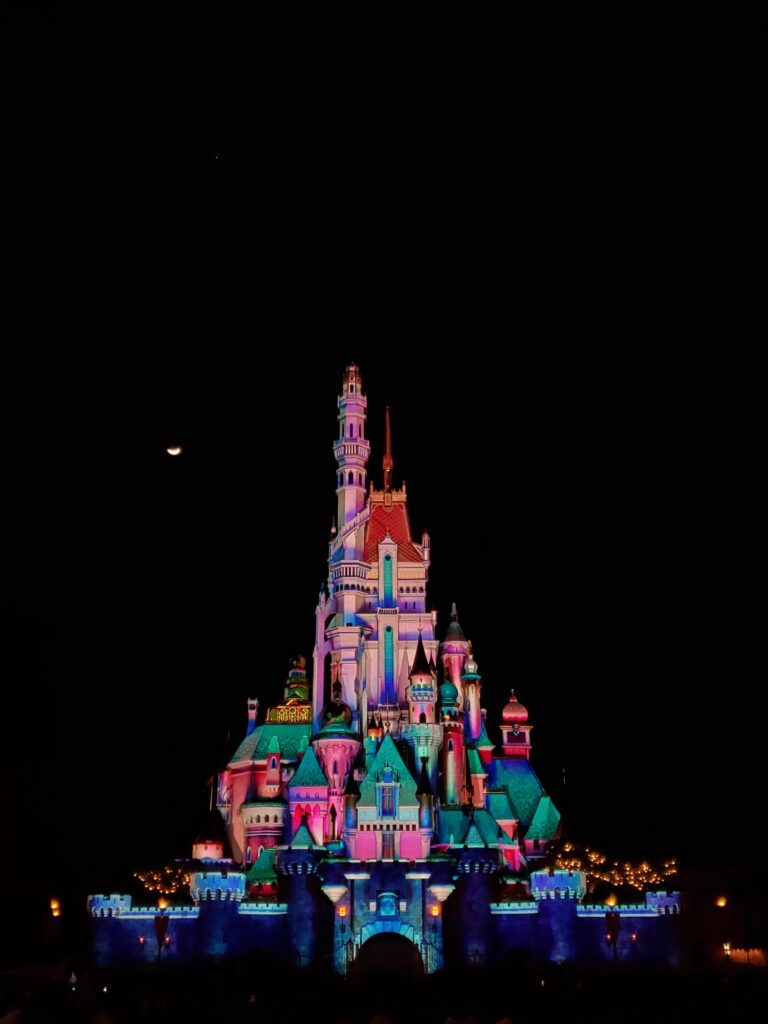
Option A (Hong Kong Disneyland): Perfect for families, couples, and Disney fans. Head to Lantau Island to experience the world’s first World of Frozen, watch the spectacular nighttime castle fireworks, and enjoy classic rides.
Option B (The Ocean Park / Water World Combo): Ideal for thrill-seekers, water lovers, and animal enthusiasts. Head to the south side of Hong Kong Island to explore the classic rides and panda exhibits at Ocean Park. If you’re visiting during the warmer months, you can swap it out or combine it with a trip to the massive, indoor-outdoor slides at Water World.
Day 4: Escape the City (Choose Your Perfect Adventure)
Today is completely customizable depending on your travel style. Hong Kong’s incredible ferry and bus network makes it easy to experience a completely different side of local life. Choose one of these four fantastic day trips:


The Cultural Escape Option (Tai O Fishing Village): Journey to Lantau Island to walk among historic stilt houses and take a boat ride.
The Energetic Explorer Option (Cheung Chau Island): Catch a 30-minute fast ferry from Central Pier 5 to this bustling, car-free island packed with street food and pirate history.
The Chill Bohemian Option (Lamma Island): Take a 25-minute ferry from Central Pier 4 for a laid-back day of hiking past craft cafes and ending at a massive seafood lunch.
The Dramatic Panoramas Option (Dragon’s Back Hike): If you want world-class mountain views that end right on a sandy surf beach, take the MTR to Shau Kei Wan and hit the trails.
Day 5: Last-Minute Souvenirs & Leaving Hong Kong
Wrap up your trip smoothly by checking off any final bucket-list items before your flight out:
Morning: Spend your final morning hunting for souvenirs. Head to the bustling street of Mong Kok for quirky gifts, or pick up premium local tea and Kee Wah bakery pastries in Central.
Afternoon: Take advantage of the city’s incredible transit system. Board the Airport Express train from Hong Kong Station or Kowloon Station, and it will take you from the city center directly to your terminal at Hong Kong International Airport in just 24 minutes. Safe travels!
Optional Day Trip to Macau
Macau is Hong Kong’s neighbour; it only takes about an hour ferry ride from Hong Kong. It is an ideal destination if you are planning a day trip. You can take a ferry from the Macau Ferry Terminal in Sheung Wan or the China Ferry Terminal in Tsim Sha Tsui.
There are plenty of things to do in Macau. If you are up for some extreme activity, you must try bungee jumping from Macau Tower. It is the world’s highest bungee jump – with a 233-meter plunge, it is not for the faint-hearted. Then, enjoy a buffet at the Macau Tower before you go.
If bungee jumping is not your thing, you can check out the House of Dancing Waters show staged by City of Dreams. It is an 85-minute water-based stage show that combines visual effects, acrobats, and stunts.
To add to your itinerary, you can visit other attractions such as St. Paul Ruins, Senado Square, and Monte Fort; don’t forget to try out the famous Portuguese egg tart, pork chop bun, almond cookies, and pork jerky.
Other useful information for your stay in Hong Kong
Mode of Payments
- Octopus card – this is still the most widely used payment method when commuting in Hong Kong (except for some taxis). You can also make a purchase using the Octopus cards in shops and restaurants.
- Credit Card, Apple Pay, Google Pay, and AliPay – digital payments are widely accepted in restaurants and shopping malls. In addition, some public transport now also accepts credit cards.
- Cash – most of the establishments accept the above payment methods, but you should still have some cash on hand. Small businesses may refuse $1000 bills, so it is better to have smaller bills.
Best Apps to Download Before Your Hong Kong Trip
Navigating a new city is always easier when you have the right tech in your pocket. To help make your trip to Hong Kong as smooth and stress-free as possible, here is a list of the essential, free mobile apps that I personally use every time I’m on the move.


